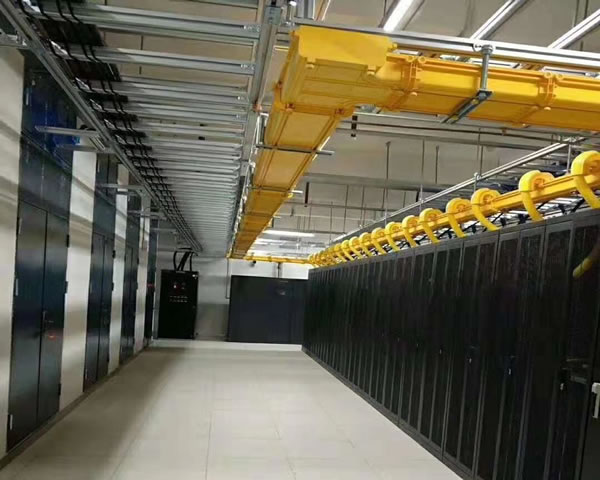
the novice tutorial is a complete process of deploying vps taiwan cn2 from scratch. this article provides a set of executable steps and best practices for beginners. the content covers purchasing strategies, basic configuration, security reinforcement, network optimization and service deployment, taking into account seo and geo search needs, helping you to quickly go online and maintain stability under the premise of compliance and security.
key points for choosing a vps plan and line
when choosing a vps, you should first confirm that the node is located in taiwan and mark cn2 or similar high-quality backhaul lines, which has practical significance for the target user group (such as mainland china). pay attention to bandwidth, peak bandwidth limits, traffic billing methods and sla, and also check network tests (ping, traceroute) and third-party delay reports to ensure that line stability meets business needs.
preparation work: account, image and key
after registration is completed, first prepare an ssh key pair and select an appropriate system image (such as the common ubuntu or centos). be familiar with the host name, console and snapshot functions of the vps control panel; configure remote contact information and secondary authentication to ensure that you can restore or enter rescue mode through the control panel when ssh is not possible.
basic system configuration and updates
immediately after logging in for the first time, update the system package (apt/yum), set the host name and time zone, configure the correct system language and clock synchronization (ntp/chrony). close unnecessary services, configure appropriate swap, check kernel parameters and apply security patches to reduce the attack surface, and establish basic change records for easy tracking.
user and ssh security management
create a non-root sudo user and add the public key to its authorized_keys. it is recommended to disable password login and root direct ssh access. if you change the ssh port or enable two-factor authentication, you should first test to ensure that the management channel will not be locked; retain the single point recovery method of the control panel in case of accidents.
firewall and intrusion prevention
enable a host-level firewall (such as ufw or iptables) to open only necessary ports, configure default deny rules and allow management ips. deploy fail2ban or similar tools to prevent brute force cracking, check security logs regularly, set up automatic security updates or incorporate critical patches into the operation and maintenance plan to reduce risks.
network and dns optimization suggestions
to improve access stability, configure reliable dns resolution and select a resolution strategy based on the user's region; setting up reverse resolution (if supported by the service provider) can help with email and some services. mtu and tcp connection-related sysctl parameters can be adjusted as needed, and delay and packet loss tests can be performed to verify the effect after changing network parameters.
deploy common services and certificate management
when deploying web services on vps, it is preferred to choose nginx or apache and configure reverse proxy, cache and static resource separation. use automated tools (such as certbot) to apply for and renew let's encrypt certificates. database and file backups should be performed regularly and remotely to ensure data recoverability.
monitoring, backup and operation and maintenance processes
deploy monitoring (such as prometheus, zabbix or lightweight hosting solutions) to track cpu, memory, disk and network metrics and set alarm thresholds. combined with centralized logs, regular snapshots and offline backups, update and rollback processes are developed to ensure that services can be quickly located and restored in the event of an exception.
summary and suggestions
follow this novice tutorial to deploy the complete process of vps taiwan cn2 from scratch, so you can go online quickly while ensuring security and stability. it is recommended to verify each step in the test environment first, record configurations and changes, continuously monitor and optimize network routes, and perform backup and recovery exercises regularly to form a reusable operation and maintenance template.
- Latest articles
- Comparative Evaluation Of Malaysia Vps Cn2 Gia Domestic Cross-border Acceleration Effect And Delay Analysis
- Practical Tips For Optimizing The Performance Of VPS Dedicated Line Singapore In A Multinational Office Scenario
- Evaluate The Access Performance Of Domestic Cn2 Taiwan From The Perspective Of SEO And GEO Optimization And Propose Improvements
- A Must-read For Corporate Decision-makers: How Much Does A Korean Cloud Server Cost? Suggestions On Weighing Against Service Quality Assurance
- Hong Kong Cn2 Lightweight Deployment Process Guide From Purchase To Online
- Enterprise Buying Guide Why Renting A German Server Dedicated Line Is More Reliable Than An Ordinary Line
- Hong Kong Cloud Server CDN Deployment Process And Cost Optimization Practical Guide
- Why Hong Kong Vps Has Natural Advantages In Network Connectivity And Bandwidth Stability
- Achieve Independent Traffic Isolation For Different Business Lines Through Multiple IP Addresses Of US High-defense Servers
- Reliability Evaluation Report Of Vietnam Cn2 Service Provider In Enterprise-level Application Deployment
- Popular tags
-

How Companies Can Enhance The User Experience In East Asia And Southeast Asia Through Taiwan's CN2 Route
This article analyzes how companies optimize user experiences in East and Southeast Asia through Taiwan's CN2 lines, including CN2 features, latency and packet loss improvements, bandwidth stability, best practices for access evaluation and operations, as well as compliance risk alerts. -

Taiwan Cn2 Cheap Vps Service Provider Recommendation
this article recommends some cheap vps service providers that provide cn2 lines in taiwan to help users choose a suitable cloud server. -
Analysis Of The Impact Of Taiwan Vps Cn2 High Defense Space On Cross-border Payments And Interface Stability
analyze the impact of taiwan vps (cn2 line) combined with high-defense space on cross-border payment and interface stability, covering network characteristics, protection mechanisms, delay and packet loss, protocol adaptation, operation and maintenance, and compliance recommendations.